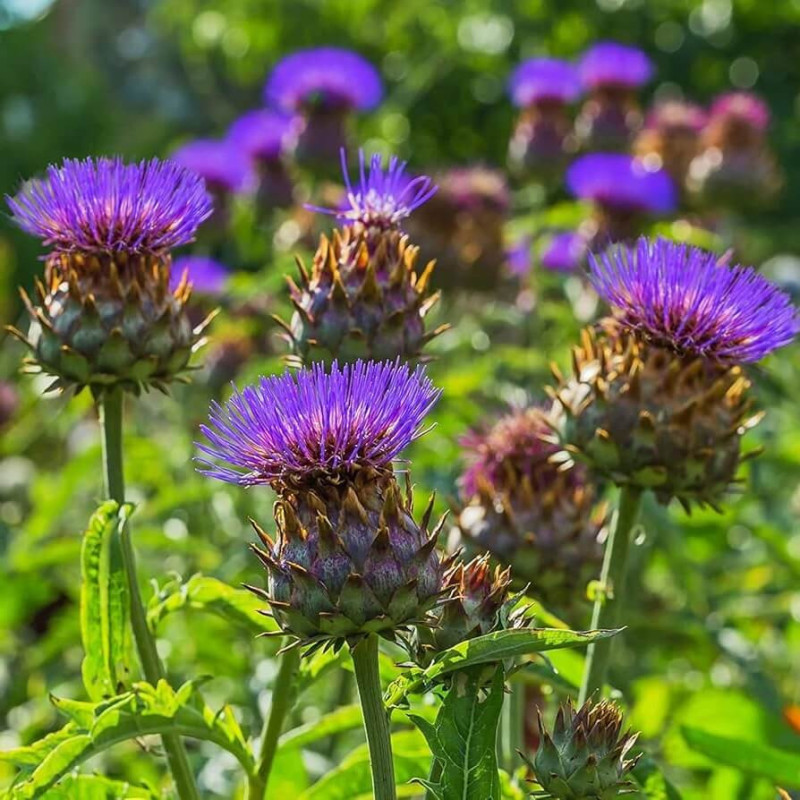
Climate Change, Cardoon Biology and Traditional Cheesemaking
The production of Serra da Estrela PDO cheese relies exclusively on vegetable rennet extracted from the flowers of Cynara cardunculus (cardoon). These floral extracts contain the aspartic proteinases Cardosin A and Cardosin B, enzymes responsible for hydrolysing casein and initiating milk coagulation. Beyond clot formation, these enzymes strongly influence cheese texture, flavour and ripening, making them essential determinants of the final product quality.
Climate projections for the Iberian Peninsula predict increasing temperatures and prolonged drought events, conditions that may alter the expression, processing and enzymatic activity of cardosins. Despite their importance for traditional cheesemaking, very little is known about how environmental stress influences the biochemical composition of floral extracts and, consequently, cheese production. ProCardo addresses this knowledge gap by combining plant biology, molecular biology, biochemistry and food science into a single integrated research programme.
Biochemical Profiling of Floral Extracts under
Climate Stress
The first phase of ProCardo investigates how projected climate conditions affect the biochemical composition of cardoon floral extracts. Clonally propagated plants are established in Beja and Viseu under controlled conditions and exposed to combinations of elevated temperature and water deficit that simulate future climate scenarios. Morphological traits, flowering behaviour and floral production are monitored throughout plant development.
Floral samples are analysed using quantitative PCR (qPCR), protein quantification, Western blotting and enzymatic assays to determine Cardosin A and Cardosin B expression, proteolytic activity, protein stability and inhibitor sensitivity. Together, these analyses define how environmental stress modifies the enzymatic profile responsible for milk coagulation.
Plant Growth
Clonally propagated Cynara cardunculus plants are established under controlled environmental conditions.
Climate Stress
Heat and drought treatments simulate predicted future Mediterranean climate scenarios.
Flower Collection
Floral material is collected at defined developmental stages following standardized harvesting procedures.
Biochemical Analysis
Gene expression, protein abundance and enzymatic activity are quantified to characterize floral extracts.
Techniques Used
Quantification of Cardosin A and Cardosin B gene expression.
Detection and quantification of cardosin proteins.
Measurement of total protein concentration in floral extracts.
Characterization of proteolytic activity and catalytic efficiency.
Evaluation of enzyme stability under different environmental conditions.
Investigation of enzymatic regulation through inhibition assays.
From Floral Extracts to Cheese Quality
Following the biochemical characterization of floral extracts, ProCardo evaluates how differences in cardosin composition influence the manufacture and quality of Serra da Estrela PDO cheese. Floral extracts representing distinct biochemical profiles are incorporated into standardized cheesemaking protocols, ensuring that production procedures are maintained throughout all experiments.
This approach allows differences in the final cheese to be directly associated with the biochemical properties of the floral extracts, providing valuable insight into the impact of climate-induced changes in cardoon biology on one of Portugal's most iconic traditional foods.
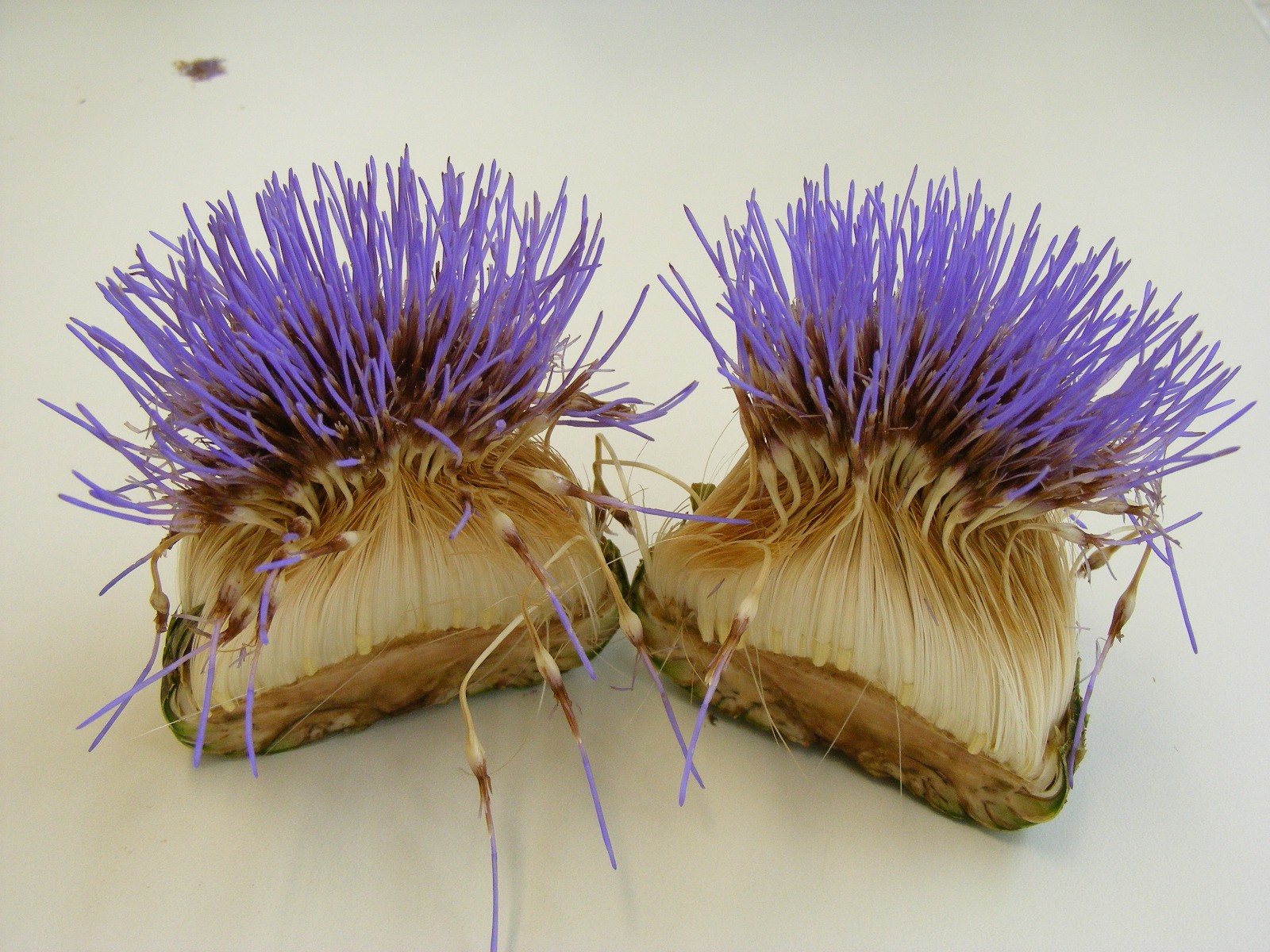
From Cardoon Flowers to Serra da Estrela Cheese
Following biochemical characterization, floral extracts are incorporated into standardized Serra da Estrela PDO cheesemaking trials. The sequence below illustrates the complete experimental workflow adopted throughout the ProCardo project.
Preparation of Cardoon Flowers
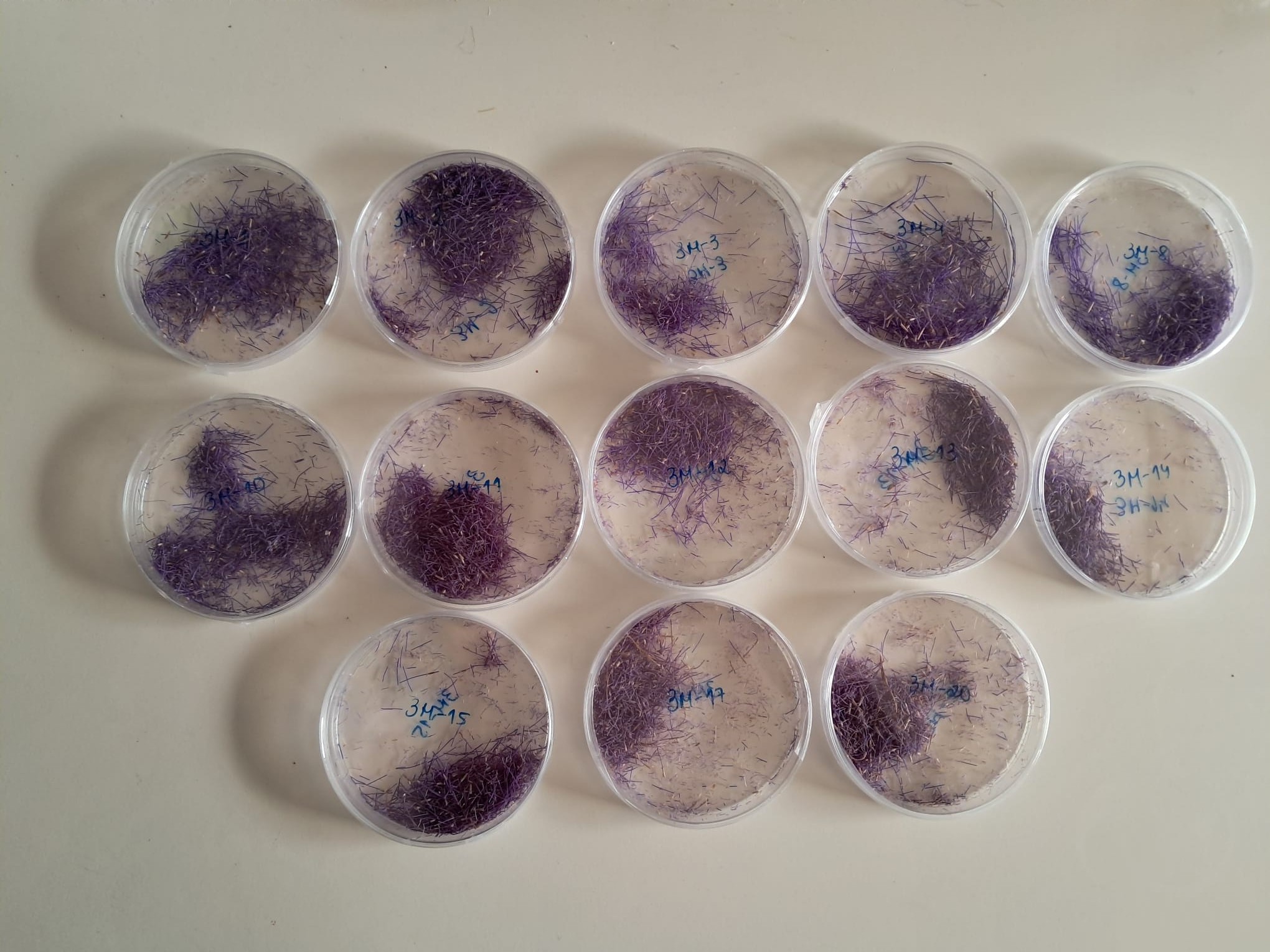
Dried Cynara cardunculus flowers collected from experimental plants are used to prepare aqueous extracts containing the milk-clotting enzymes Cardosin A and Cardosin B.
Preparation of Floral Extracts
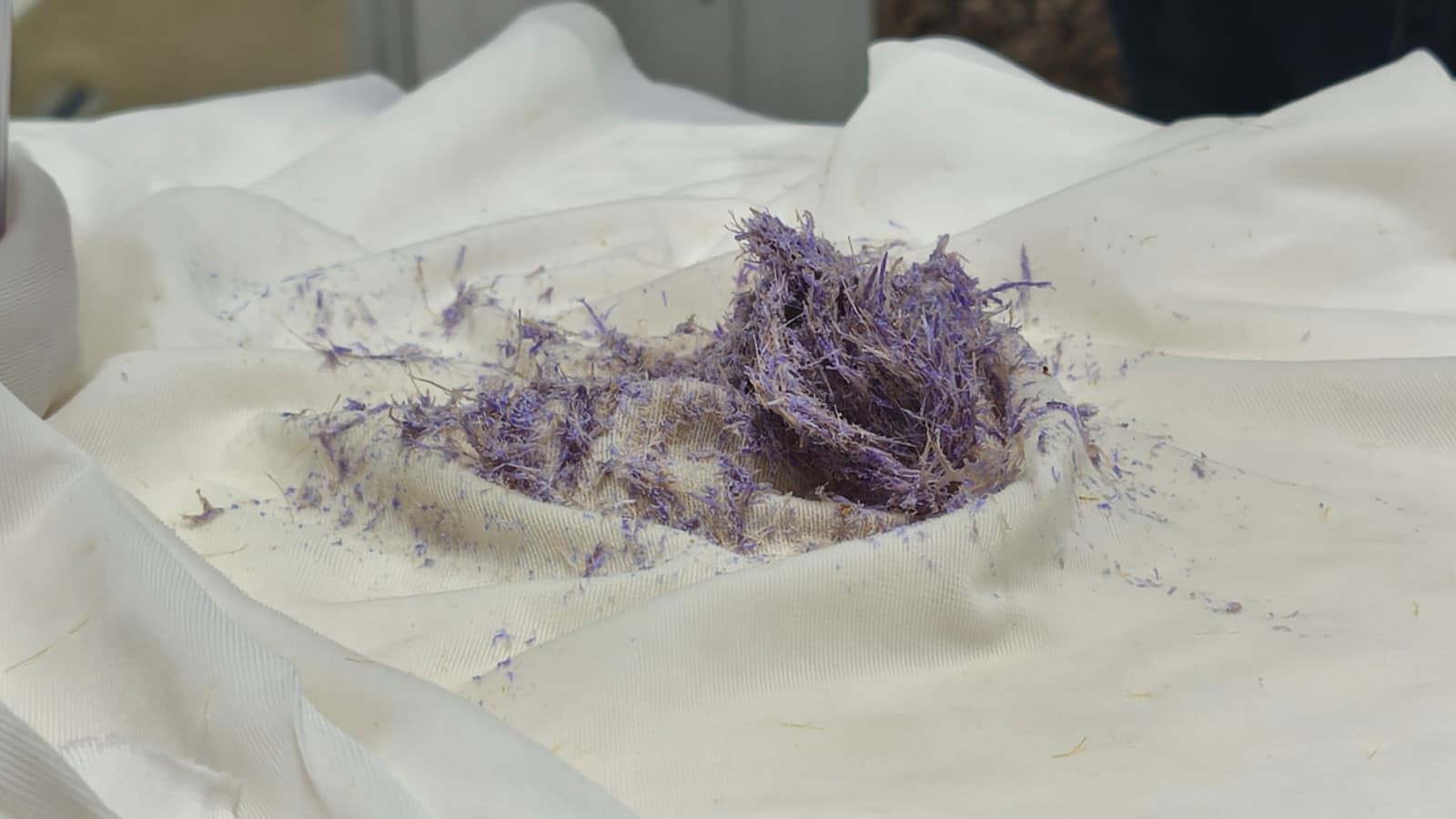
Freshly prepared floral extracts are filtered to remove plant material, producing a homogeneous enzyme solution suitable for cheesemaking.
Milk Coagulation
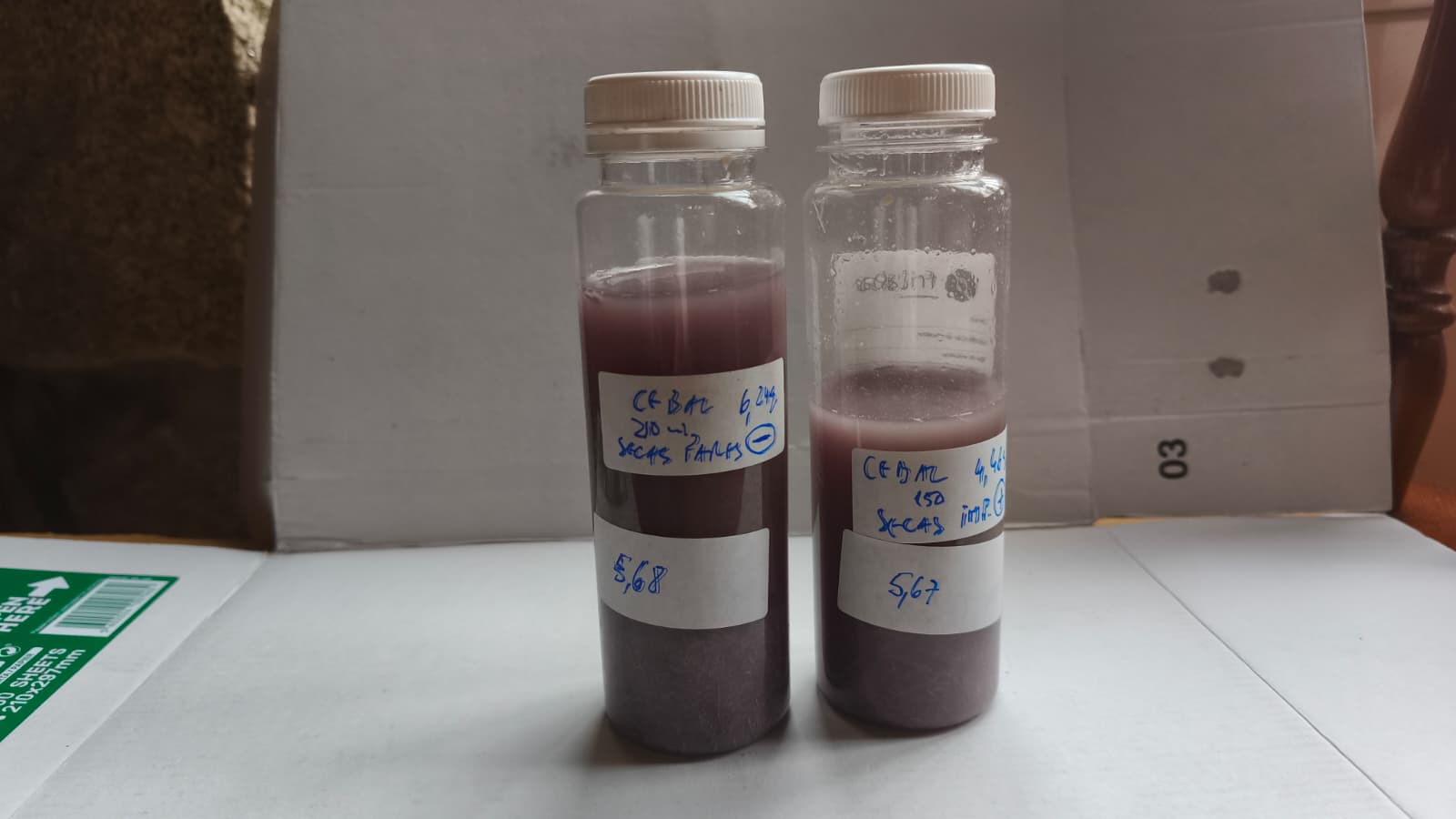
Floral extracts are added to fresh ewe's milk, initiating coagulation through the proteolytic activity of cardosins.
Traditional Cheesemaking
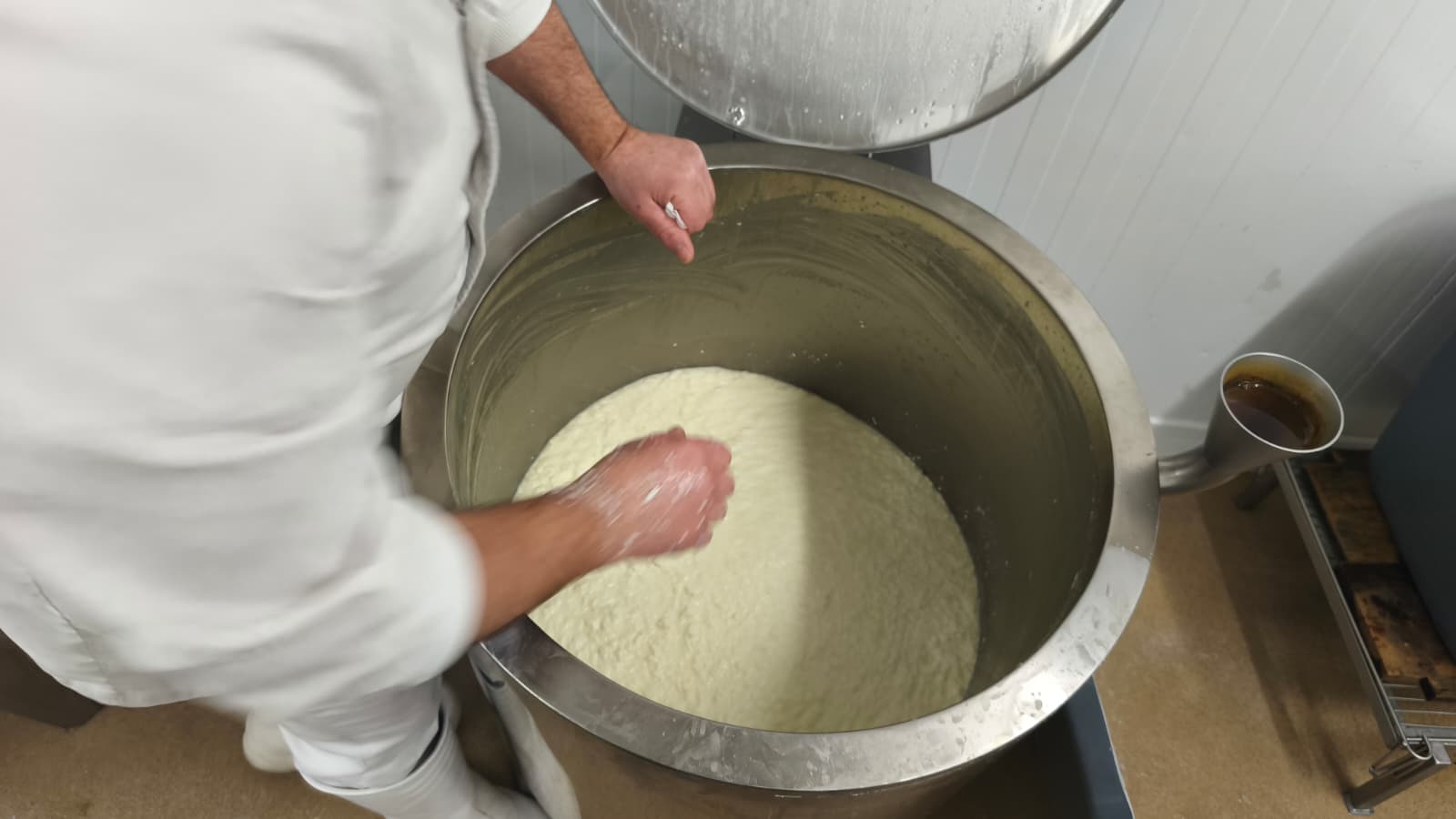
The coagulated milk is processed following standardized Serra da Estrela PDO cheesemaking procedures to ensure that observed differences are attributable to the biochemical properties of the floral extracts.
Mature Serra da Estrela Cheeses
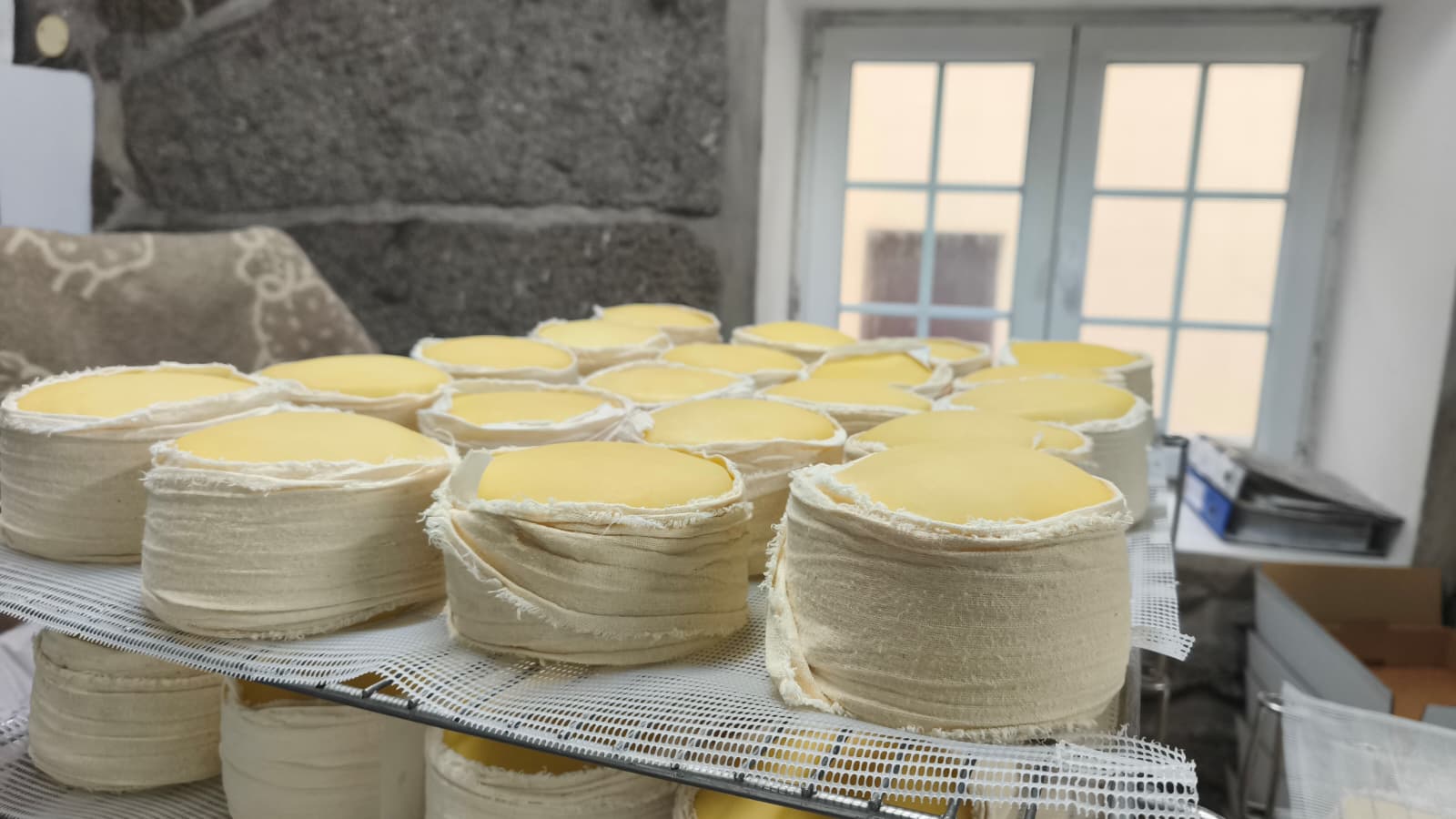
Following maturation, the experimental cheeses undergo physicochemical, nutritional and sensory analyses to determine how changes in floral extract composition influence the quality of the final product.
Evaluating Cheese Quality
Each cheese batch undergoes comprehensive physicochemical, nutritional and sensory analyses to establish relationships between floral enzyme composition and final product quality.
Cheese is produced using identical manufacturing conditions to ensure experimental consistency.
Evaluation of composition, texture and technological properties.
Identification of nutritional compounds and biochemical markers associated with cheese quality.
Certified tasting panels assess flavour, aroma, texture and overall consumer perception.
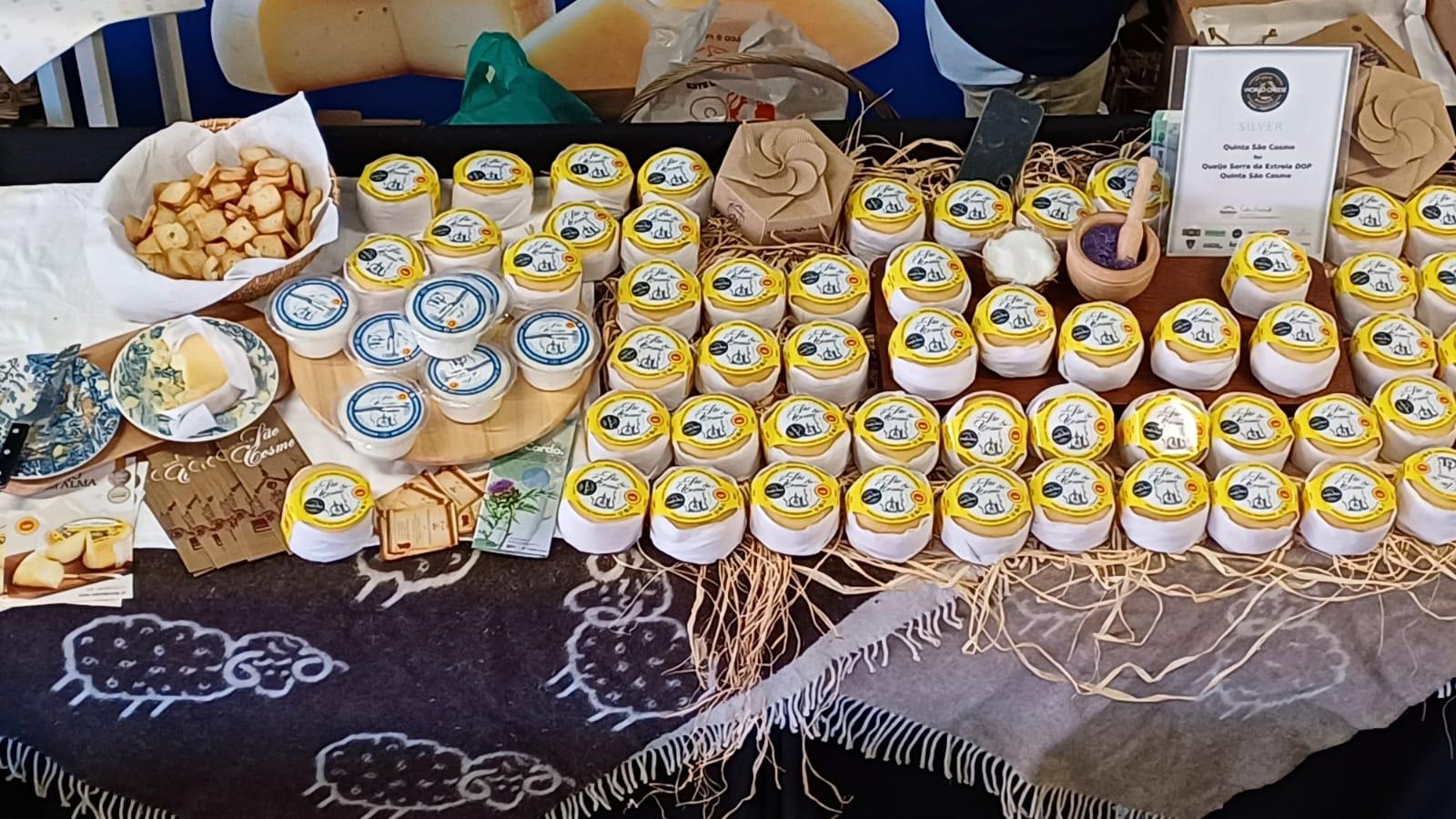
From Research to Practice
The final phase of ProCardo transforms scientific discoveries into practical tools that support the long-term sustainability of traditional cheesemaking. By integrating the biochemical, physiological and technological data generated throughout the project, standardized recommendations are developed for cultivating Cynara cardunculus, harvesting flowers and producing homogeneous floral extracts with consistent enzymatic composition.
Particular emphasis is placed on defining reproducible biochemical parameters, including the abundance and processing state of Cardosin A and the relative proportions of Cardosin A and Cardosin B. These guidelines provide producers with scientifically validated criteria for obtaining floral extracts capable of maintaining the quality and consistency of Serra da Estrela PDO cheese under changing environmental conditions.
Delivering Research Beyond the Laboratory
The knowledge generated throughout ProCardo is translated into practical resources for producers, certification bodies and the scientific community, ensuring that research findings contribute directly to the resilience of traditional cheesemaking.
Development of standardized protocols for flower harvesting, cultivation and floral extract preparation.
Knowledge transfer through seminars, workshops and technical sessions with cheese producers and stakeholders.
Dissemination of project results through peer-reviewed publications and technical communication.
Collaboration with Portuguese and Spanish certification bodies and producers to promote reproducible use of cardoon flower extracts across PDO cheese systems.
Building Climate-Resilient Traditional Cheesemaking
ProCardo generates scientific knowledge that extends beyond the laboratory, providing practical solutions to preserve the quality, reproducibility and sustainability of Serra da Estrela PDO cheese in the face of climate change.
Climate Adaptation
By understanding how heat and drought influence the biochemical profile of Cynara cardunculus floral extracts, ProCardo supports the development of strategies to mitigate the effects of climate change on traditional cheesemaking.
Standardization
The project establishes reproducible biochemical parameters for floral extracts, contributing to more consistent coagulation performance and improved quality control during cheese production.
Support for Producers
Scientific evidence generated throughout the project provides practical recommendations for growers, cheesemakers and certification bodies, strengthening the resilience of the Portuguese and cross-border dairy sector.
Heritage Preservation
By safeguarding the production of Serra da Estrela PDO cheese, ProCardo contributes to the preservation of a centuries-old tradition while reinforcing the scientific, cultural and economic value of cardoon-based cheesemaking.
"ProCardo combines plant biology, biochemistry and food science to provide scientifically validated tools that help ensure the future of traditional cardoon-based cheesemaking under changing climatic conditions."